

Qwen-Image Edit supports multi-image input and output. Edit text within images, add, remove, or move objects, change subject poses, transfer styles, and enhance details — all through natural language prompts.
Model overview
Input image 1 | Input image 2 | Input image 3 | Output images (multiple) | |
|---|---|---|---|---|
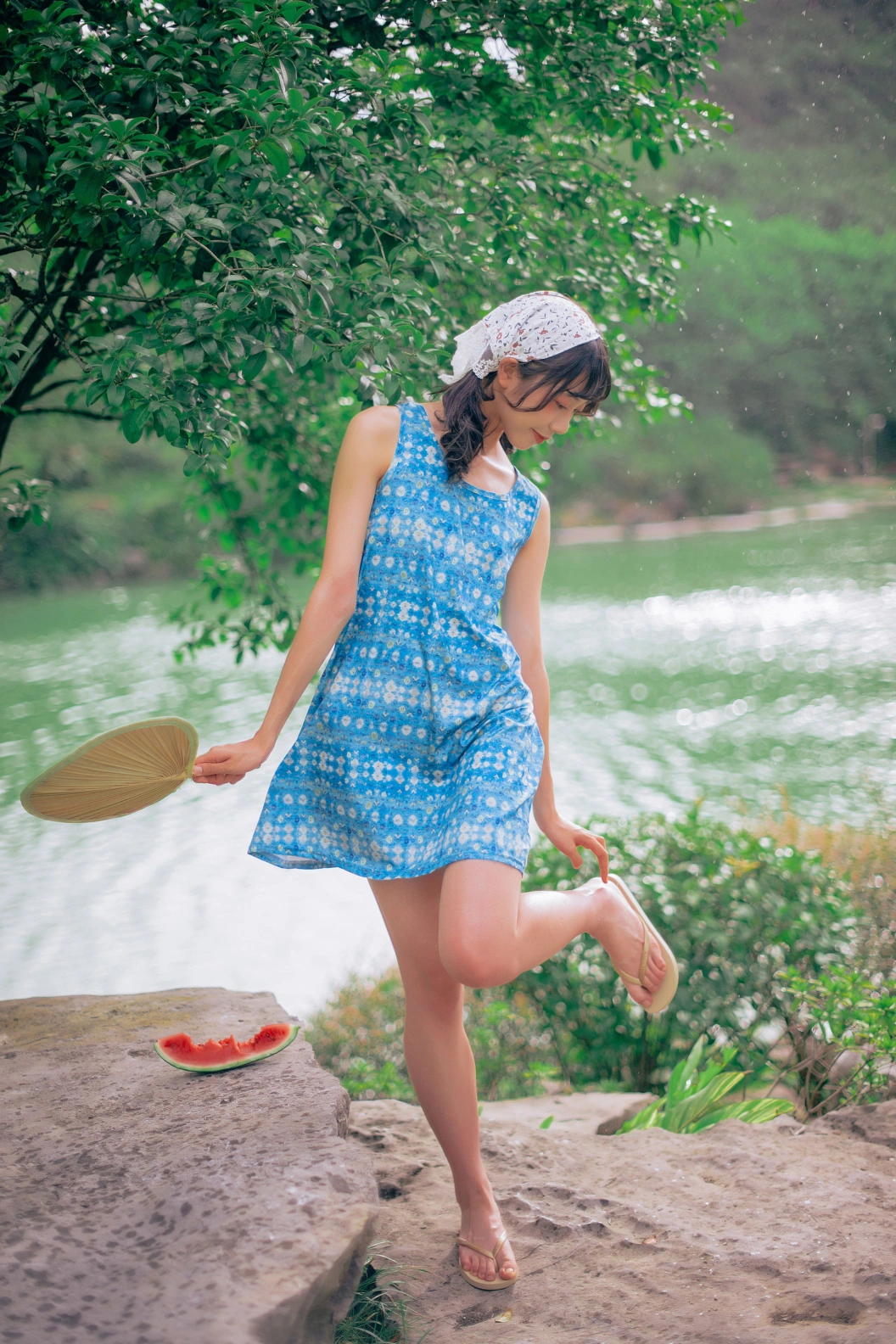 | 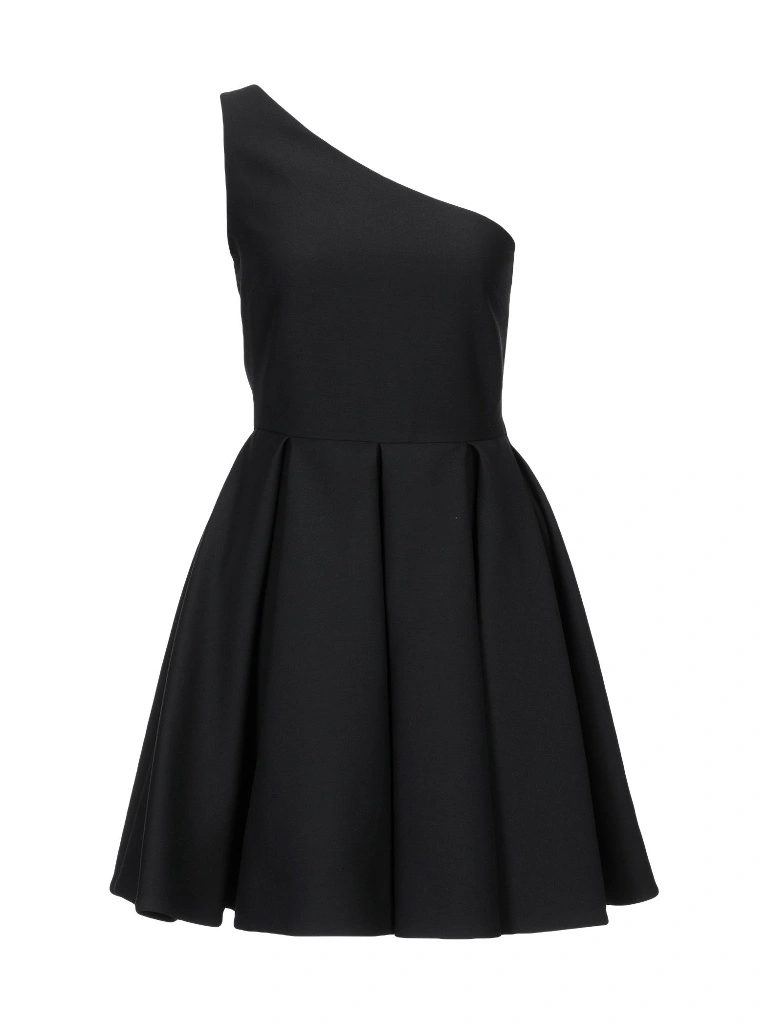 | 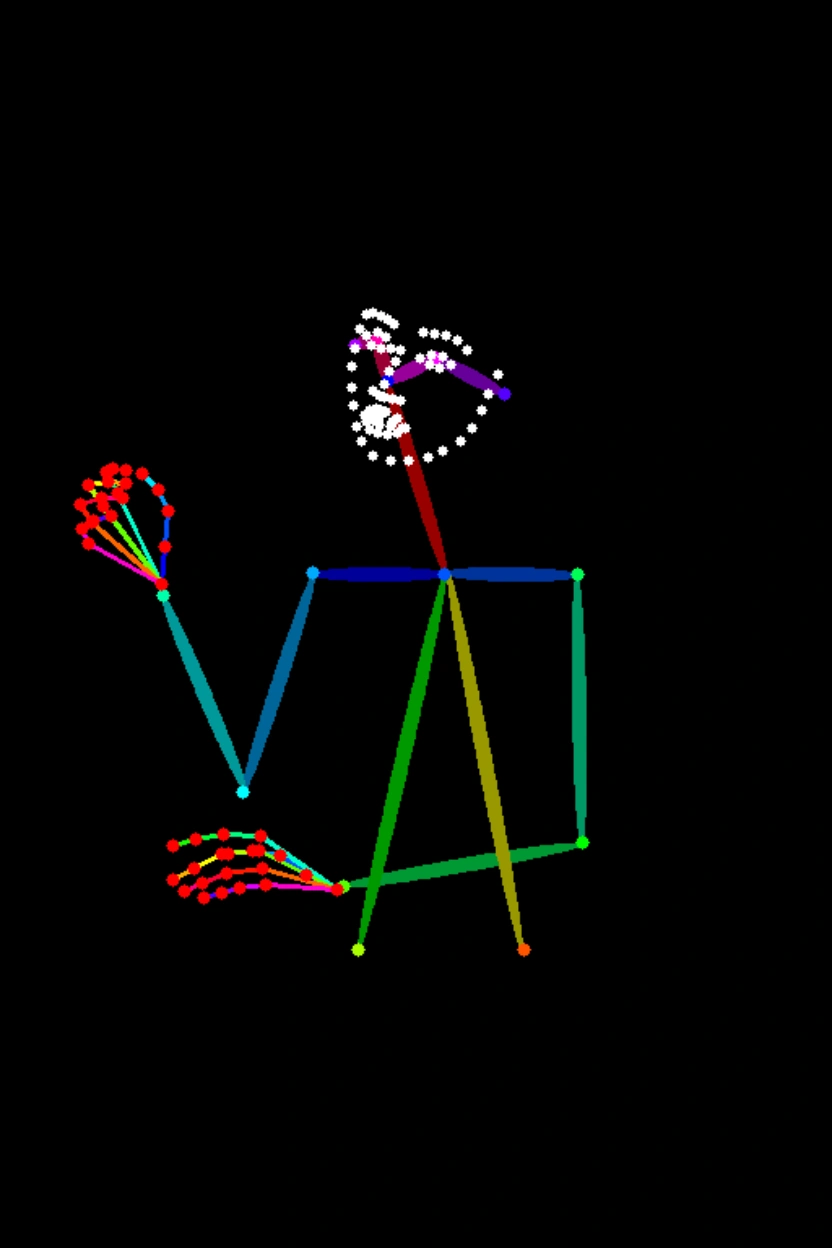 | 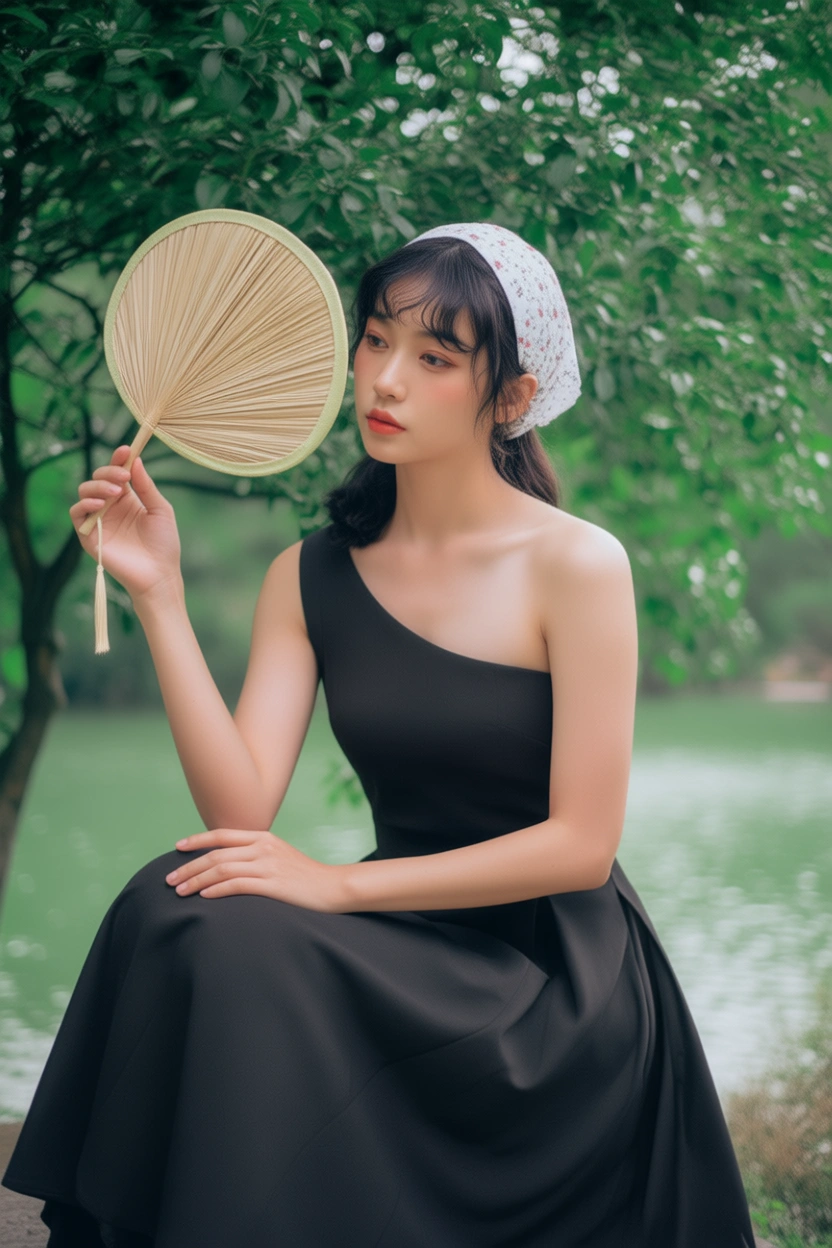 | 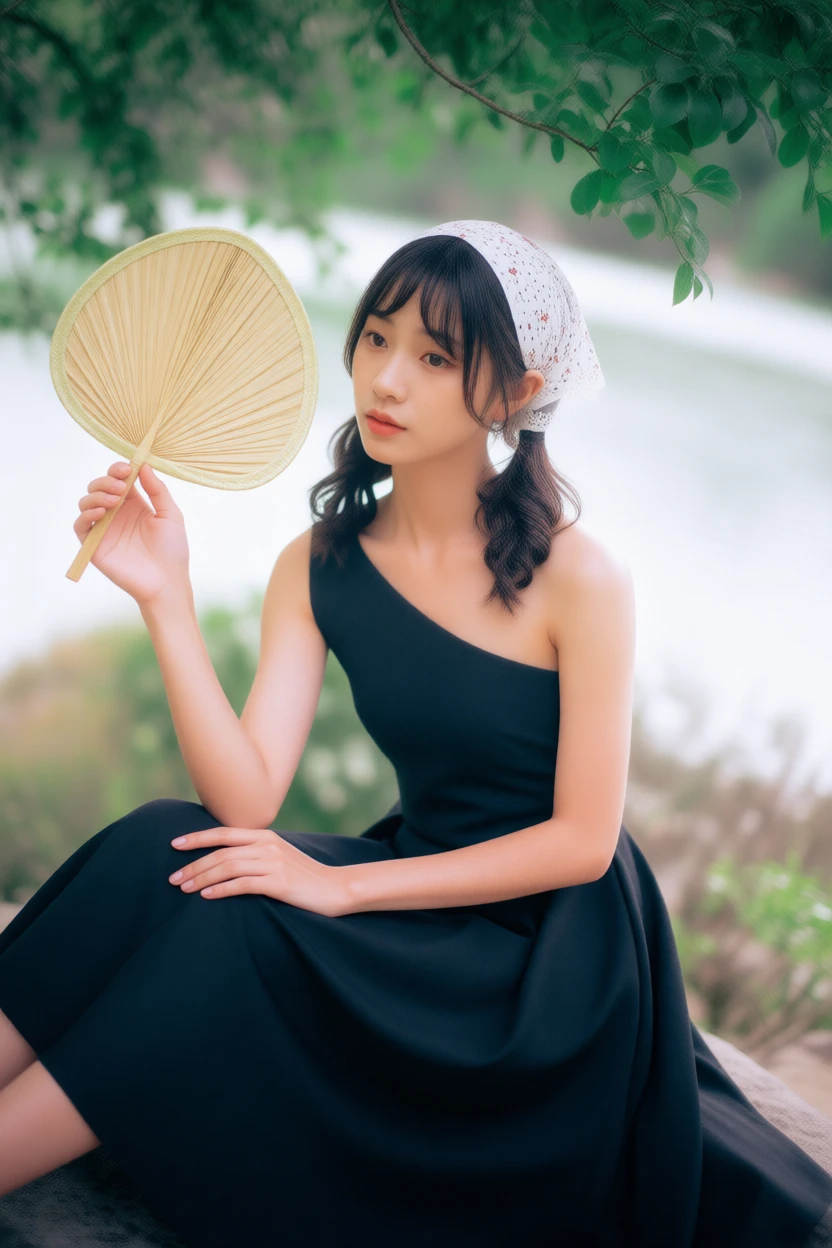 |
Prompt: The girl from Image 1 is wearing the black dress from Image 2 and sitting in the pose from Image 3.
Model name | Model description | Output image specifications |
|---|---|---|
qwen-image-2.0-pro It currently has the same capabilities as qwen-image-2.0-pro-2026-04-22 | The Pro series of Qwen image generation and editing models offers enhanced capabilities in text rendering, realistic textures, and semantic adherence. For image generation, see Qwen-Text to Image. | Image resolution:
Image format: png Number of images: 1–6 |
qwen-image-2.0-pro-2026-06-22 | ||
qwen-image-2.0-pro-2026-04-22 | ||
qwen-image-2.0-pro-2026-03-03 | ||
qwen-image-2.0 It currently has the same capabilities as qwen-image-2.0-2026-03-03 | This is the accelerated version of the Qwen image generation and editing model, balancing performance and response speed. For image generation, see Qwen-Text to Image. | |
qwen-image-2.0-2026-03-03 |
Prerequisites
Before making a call, get an API key and export the API key as an environment variable.
To call the API using the SDK, install the DashScope SDK. The SDK is available for Python and Java.
HTTP call
Singapore region:POST https://{WorkspaceId}.ap-southeast-1.maas.aliyuncs.com/api/v1/services/aigc/multimodal-generation/generation
Beijing region:POST https://{WorkspaceId}.cn-beijing.maas.aliyuncs.com/api/v1/services/aigc/multimodal-generation/generation
When calling, replace {WorkspaceId} with your actual workspace ID.
Request parameters |
This example uses the qwen-image-2.0-pro model to output two images. |
Request headers | |
Content-Type string (Required)The content type of the request. Must be application/json. | |
Authorization string (Required)Authenticates the request with a Model Studio API key. Example: Bearer sk-xxxx. | |
Request body | |
model string (Required)The model name. Example: qwen-image-2.0-pro. | |
input object (Required)The input object, containing the following field:
Property messages array (Required)The request content array. Only single-turn conversations are currently supported, so the array must contain exactly one object with the role and content properties.
Property role string (Required)The message sender role. Must be user.contentarray (Required)The message content, consisting of one to three images in the format {"image": "..."} and a single editing instruction in the format {"text": "..."}.
Property image string (Required)The URL or Base64-encoded data of the input image. You can provide one to three images.For multi-image input, the image order is defined by the array sequence. The aspect ratio of the output image is based on the last image.Image requirements:
string(Required)A positive prompt describing the desired content, style, and composition of the output image.Supports Chinese and English. The qwen-image-2.0 series accept up to 1,300 tokens. The system truncates excess tokens.Note: The content array must contain exactly one text object. Otherwise, an error will occur. | |
parameters object (Optional)Additional parameters to control image generation.
Property n integer (Optional)The number of output images. Default: 1.For the qwen-image-2.0 series models, you can choose to output one to six images.negative_prompt string (Optional)A negative prompt describing content to exclude from the output. Use it to constrain the generation.Supports Chinese and English. Maximum 500 characters. Each Chinese character, letter, number, or symbol counts as one character. Excess characters are automatically truncated.For example: low resolution, error, worst quality, low quality, disfigured, extra fingers, or bad proportions.size string (Optional)The output image resolution in the format width*height. Example: "1024*1536".qwen-image-2.0 series models:
If you specify the
Recommended resolutions for common aspect ratios
bool (Optional)Enables intelligent prompt rewriting. Default: true. When enabled, the model optimizes the positive prompt (text), significantly improving results for simple prompts.Supported models: All models.watermark bool (Optional)Adds a "Qwen-Image" watermark to the bottom-right corner. Default: false.seed integer (Optional)The random number seed. Valid range: [0, 2147483647].Setting the same seed value helps maintain relative stability in generated output. If omitted, the algorithm uses a random seed.Note: Image generation is probabilistic. Even with the same seed, results may vary between calls. |
Response parameters |
Task data (task status and image URLs) is retained for only 24 hours and then automatically purged. Save generated images promptly. |
output objectThe model's generation results.
Property choices arrayA list of result choices.
Property finish_reason stringThe reason the task stopped. Returns stop for a natural stop.message objectThe message returned by the model.
Property role stringThe message role. Fixed at assistant.contentarrayThe message content, which contains the generated image information.
Property image stringURL of the generated image in PNG format. Valid for 24 hours. Download and save the image promptly. | |
usage objectResource usage for this call. Returned only on success.
Property image_count integerThe number of generated images.width integerThe width of the generated image in pixels.height integerThe height of the generated image in pixels. | |
request_id stringUnique request identifier for tracing and troubleshooting. | |
code stringError code. Returned only for failed requests. See Error codes. | |
message stringDetailed error message. Returned only for failed requests. See Error codes. |
DashScope SDK call
SDK parameter names are mostly consistent with the HTTP API. The parameter structure is encapsulated based on the language features. For a complete list of parameters, see Qwen API reference.
Python SDK call
- We recommend installing the latest version of the DashScope Python SDK to avoid potential runtime errors. For more information, see Install or upgrade the SDK.
- Asynchronous interfaces are not supported.
Request examples
Response example
The image URL is valid for 24 hours. Download the image promptly.
input_tokens,output_tokens, andcharactersfields are compatible. Their values are currently fixed at 0.
Call using the Java SDK
Request examples
Response examples
The image URL is valid for 24 hours. Download the image promptly.
Error codes
If the model call fails and returns an error message, see Error codes for resolution.
Billing and rate limiting
- For model free quotas and billing rates, see the Model List.
- Refer to Qwen-Image for model rate limiting details.
- Billing: You are billed per successfully generated image. Failed calls incur no charges and do not consume your new-user free quota.